

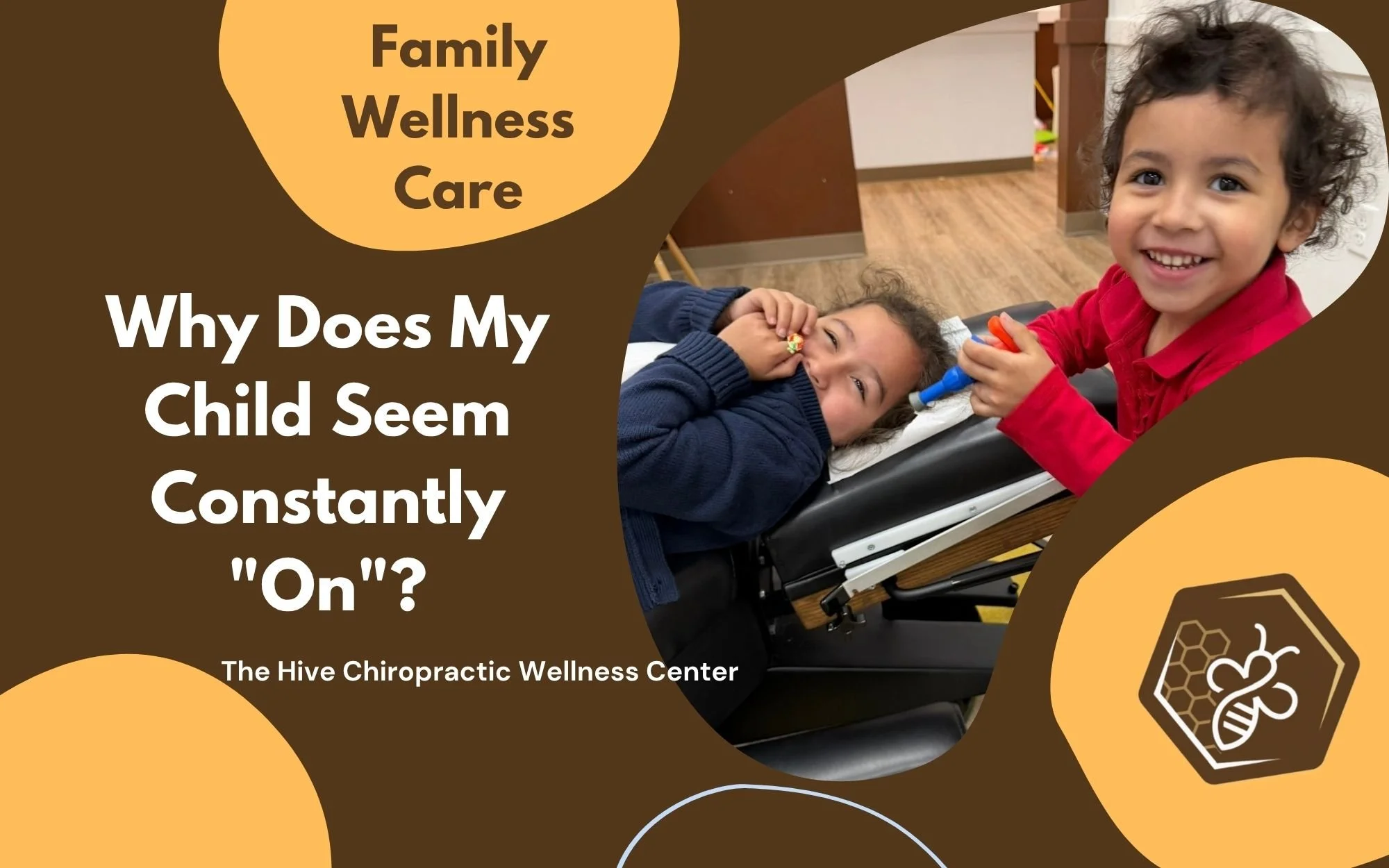
Why Does My Child Seem Constantly “On”?
Some children stay in a constant state of alertness, making it difficult to truly relax and settle.

Why Does My Child Get Sick Every Time School Starts?
Back-to-school season brings new stressors, exposures, and demands that can challenge the immune system.
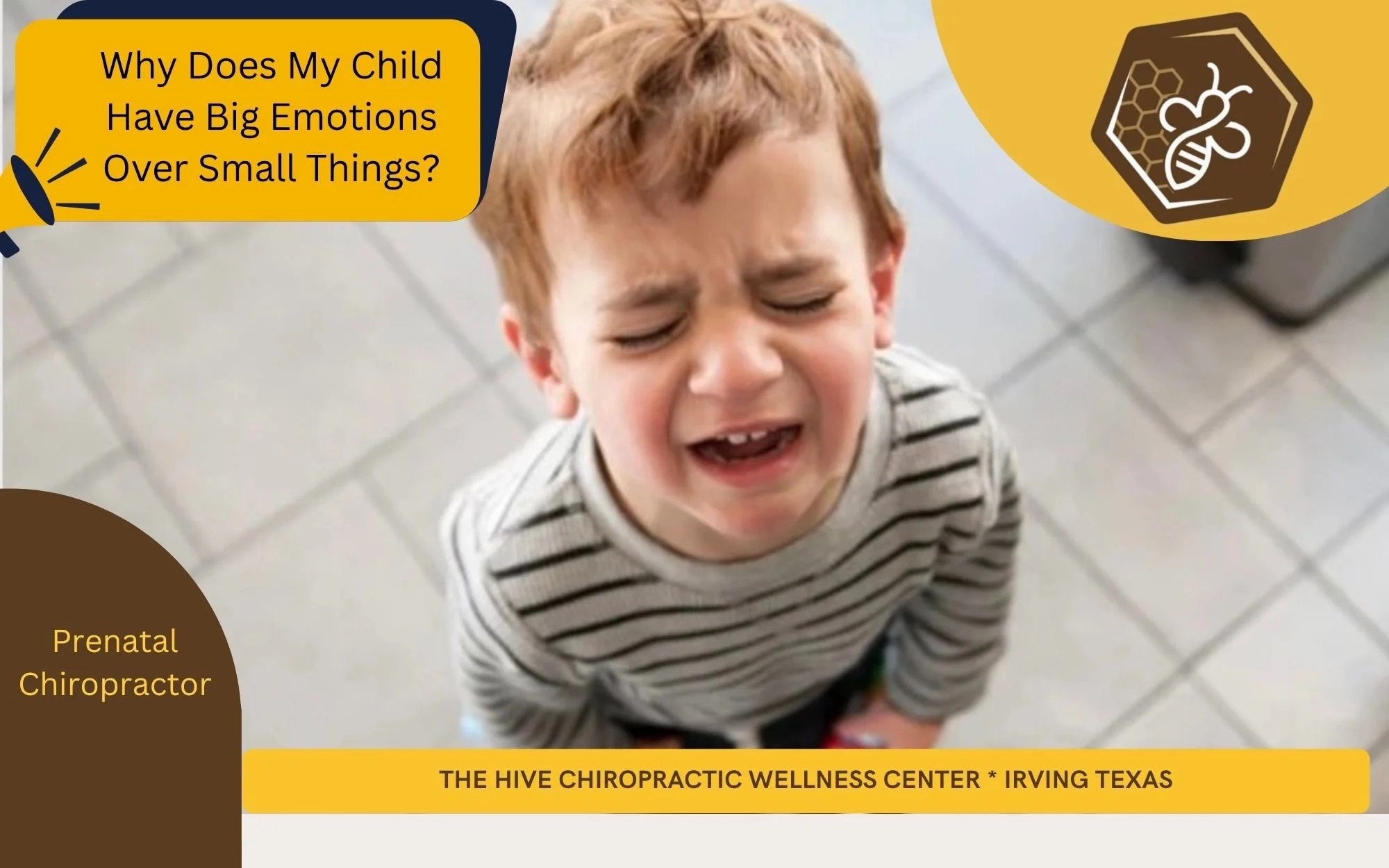
Why Does My Child Have Big Emotions Over Small Things?
Big reactions are often a reflection of nervous system overwhelm rather than intentional behavior.
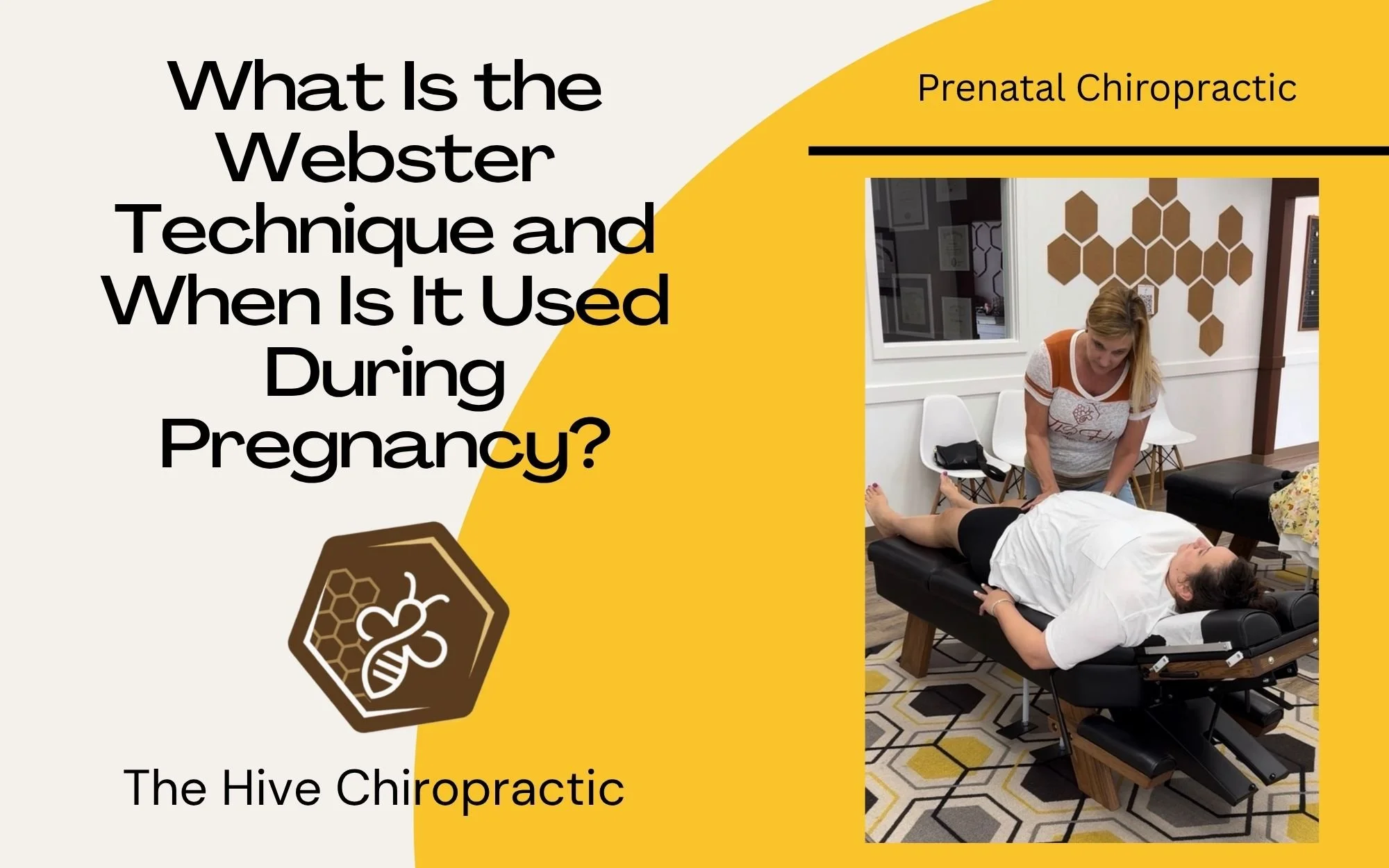
What Is Webster Technique And When Is It Used During Pregnancy?
Learn how Webster Technique supports comfort, balance, and function throughout pregnancy.

Why Does My Baby Hate Tummy Time?
Tummy time struggles may be about more than preference and can sometimes reflect underlying tension.

What Is Torticollis And How Do Parents Recognize It Early?
Early signs of torticollis can be subtle but may affect feeding, sleep, and development.
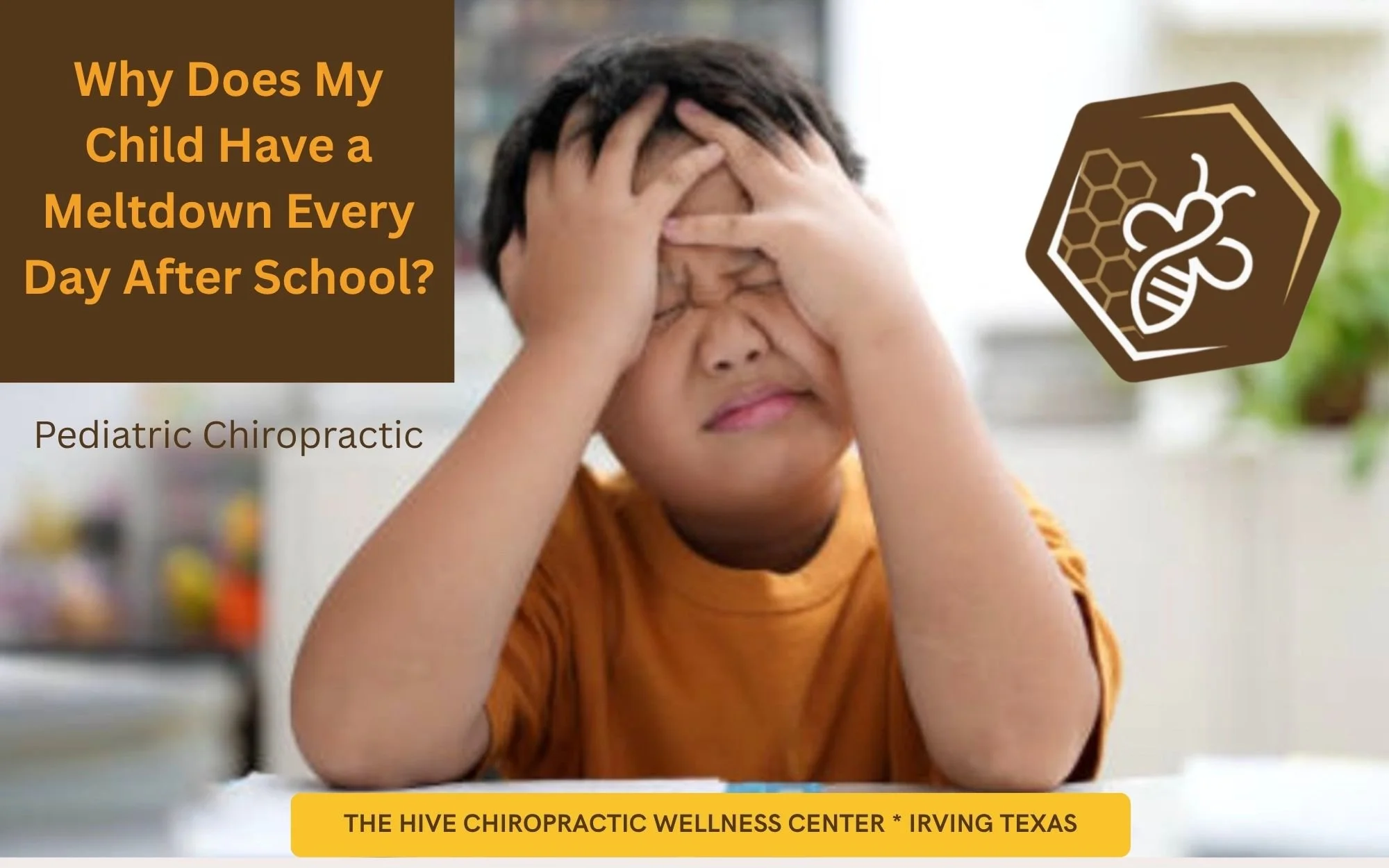
Why Does My Child Have A Meltdown Every Day After School?
After-school meltdowns are often a sign that your child's nervous system is running on empty.
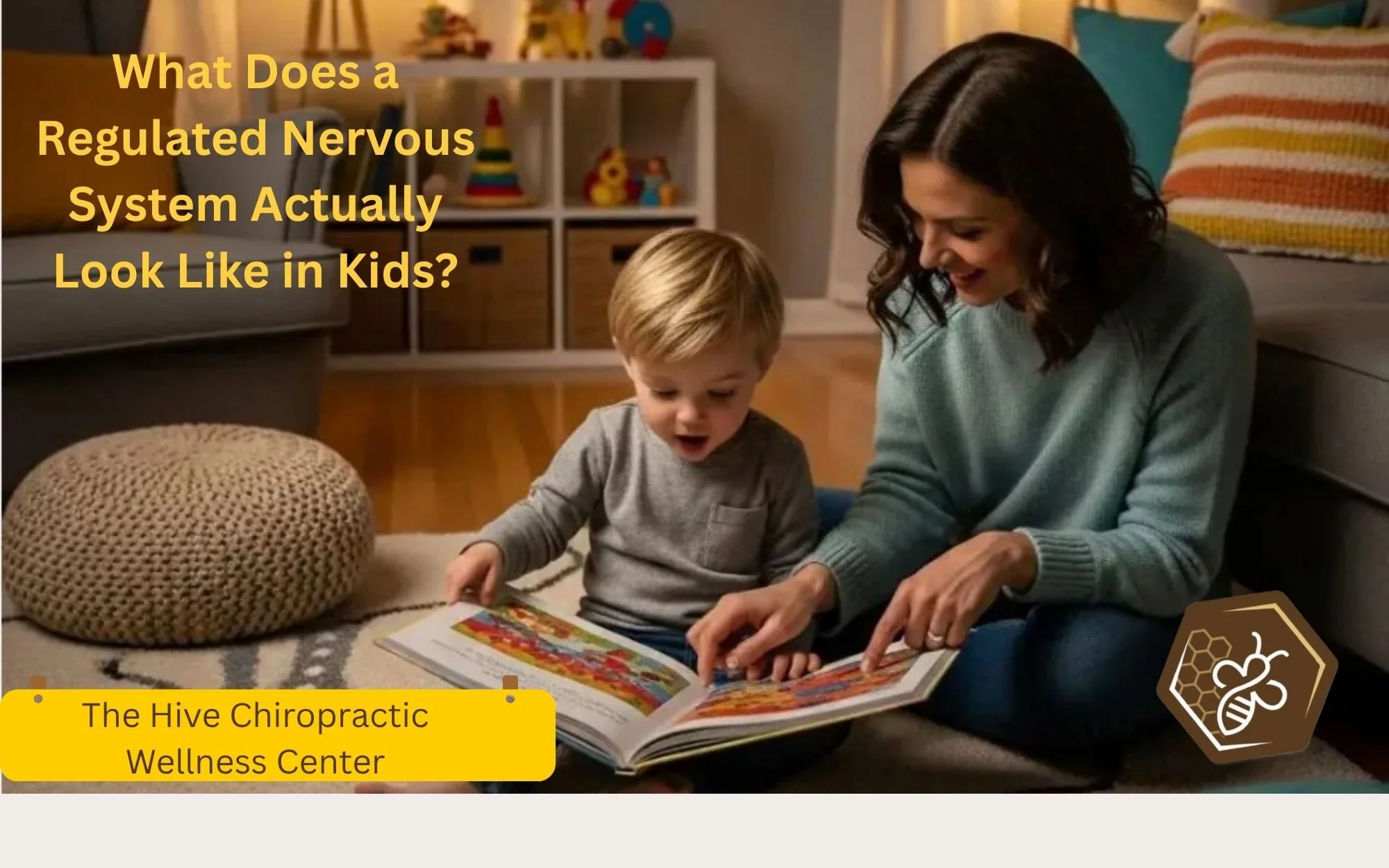
What Does A Regulated Nervous System Actually Look Like In Kids?
Regulation isn't perfection—it looks like adaptability, resilience, and recovery from life's challenges.

Why am I more uncomfortable during my 2nd pregnancy than my first?
Every pregnancy is different, and previous pregnancies can influence how your body adapts and feels.
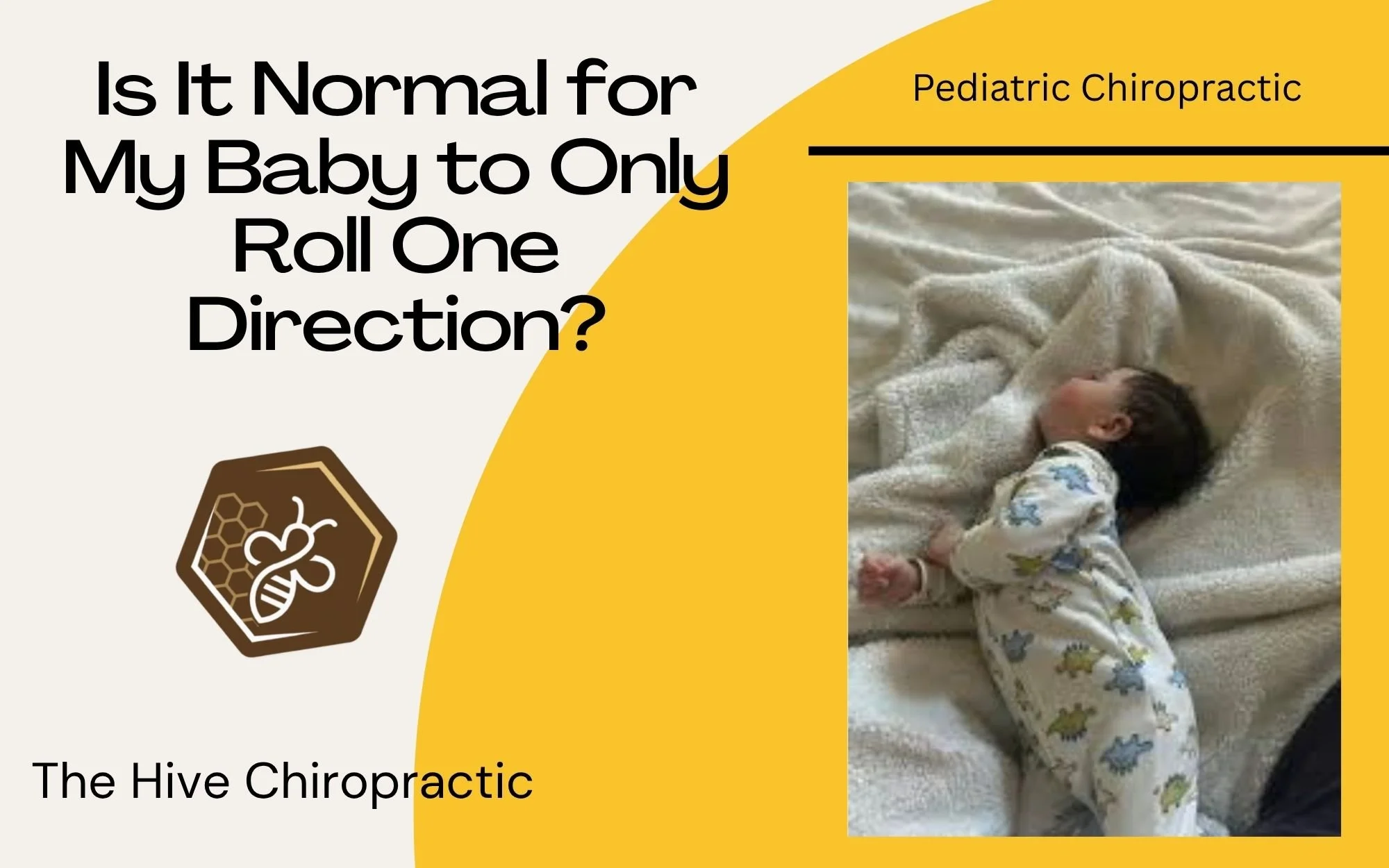
Is It Normal For My Baby To Only Roll One Direction?
A preference for one direction can sometimes reveal underlying tension or movement patterns worth addressing.
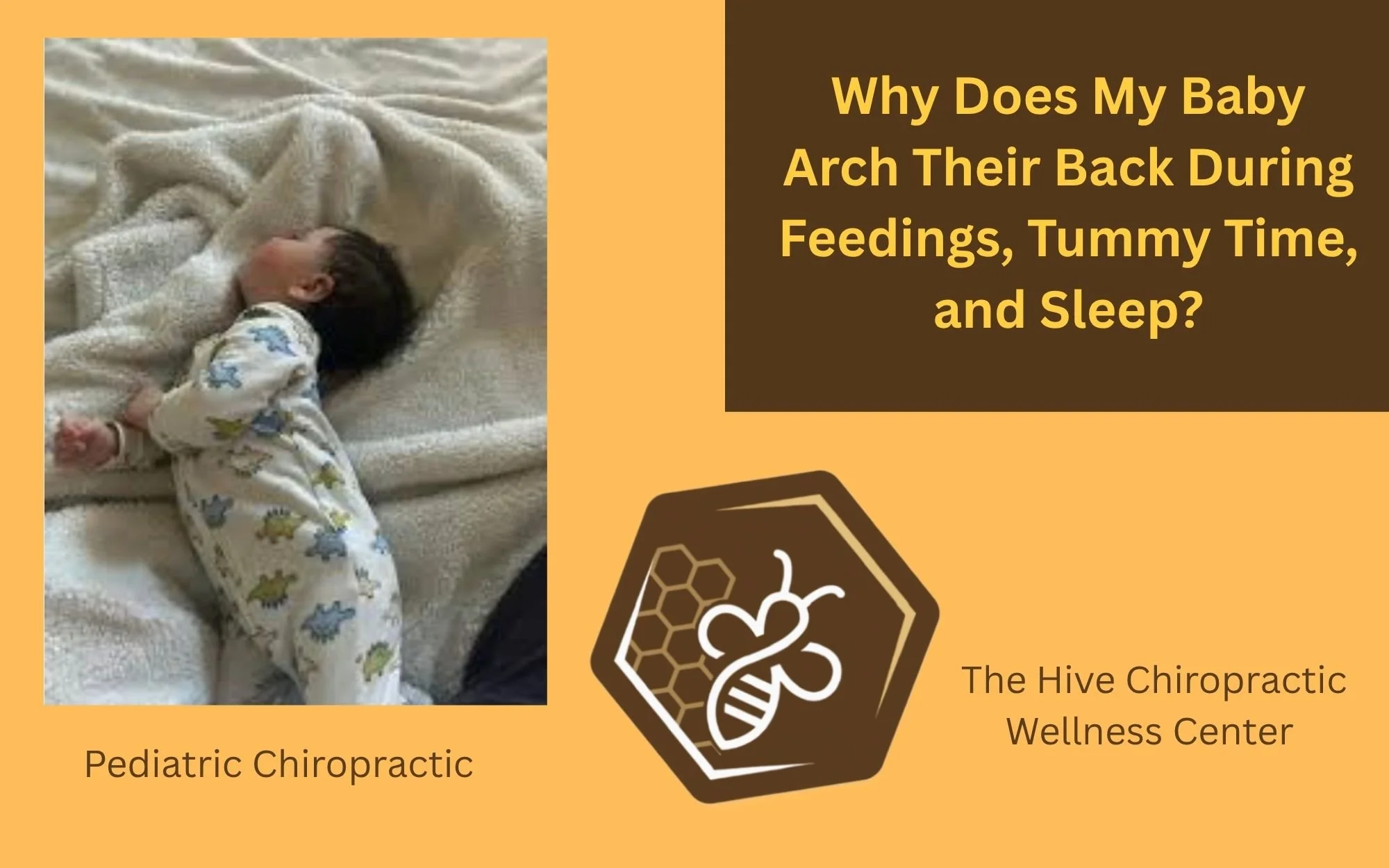
Why Does My Baby Arch Their Back During Feedings, Tummy Time, And Sleep?
Arching can be a sign of tension, discomfort, or nervous system stress—not just a developmental phase.
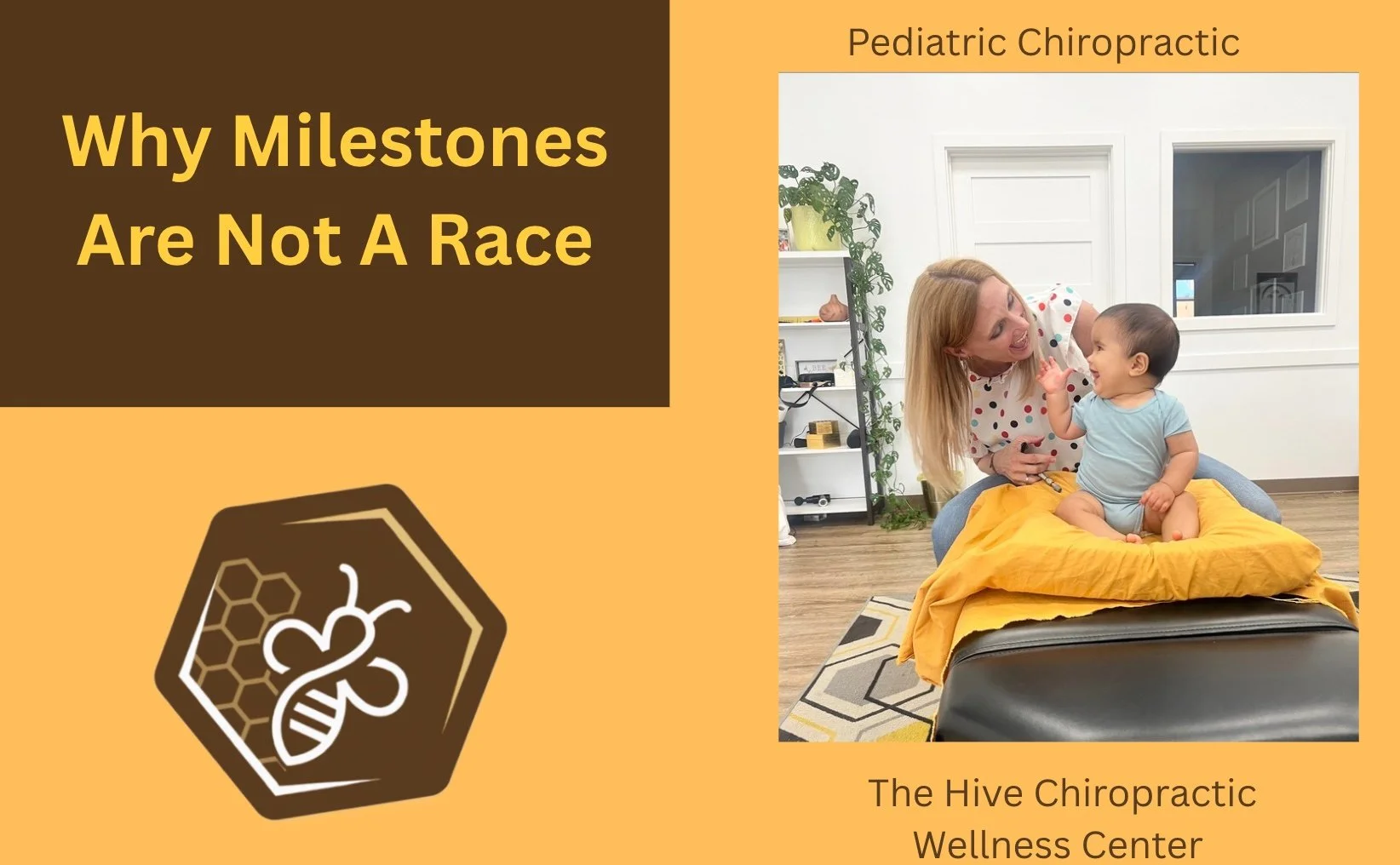
Why Milestones Are Not a Race
If you find yourself comparing milestones, you are not alone. Development is not a race. Supporting the nervous system helps babies and children adapt at their own pace.

Why Families Choose Consistent Wellness Care
Wellness care is about consistency, not crisis. Families choose care to support long-term resilience.

What Wellness Care Looks Like at Different Life Stages
Wellness care adapts as life changes. Support looks different at every stage.
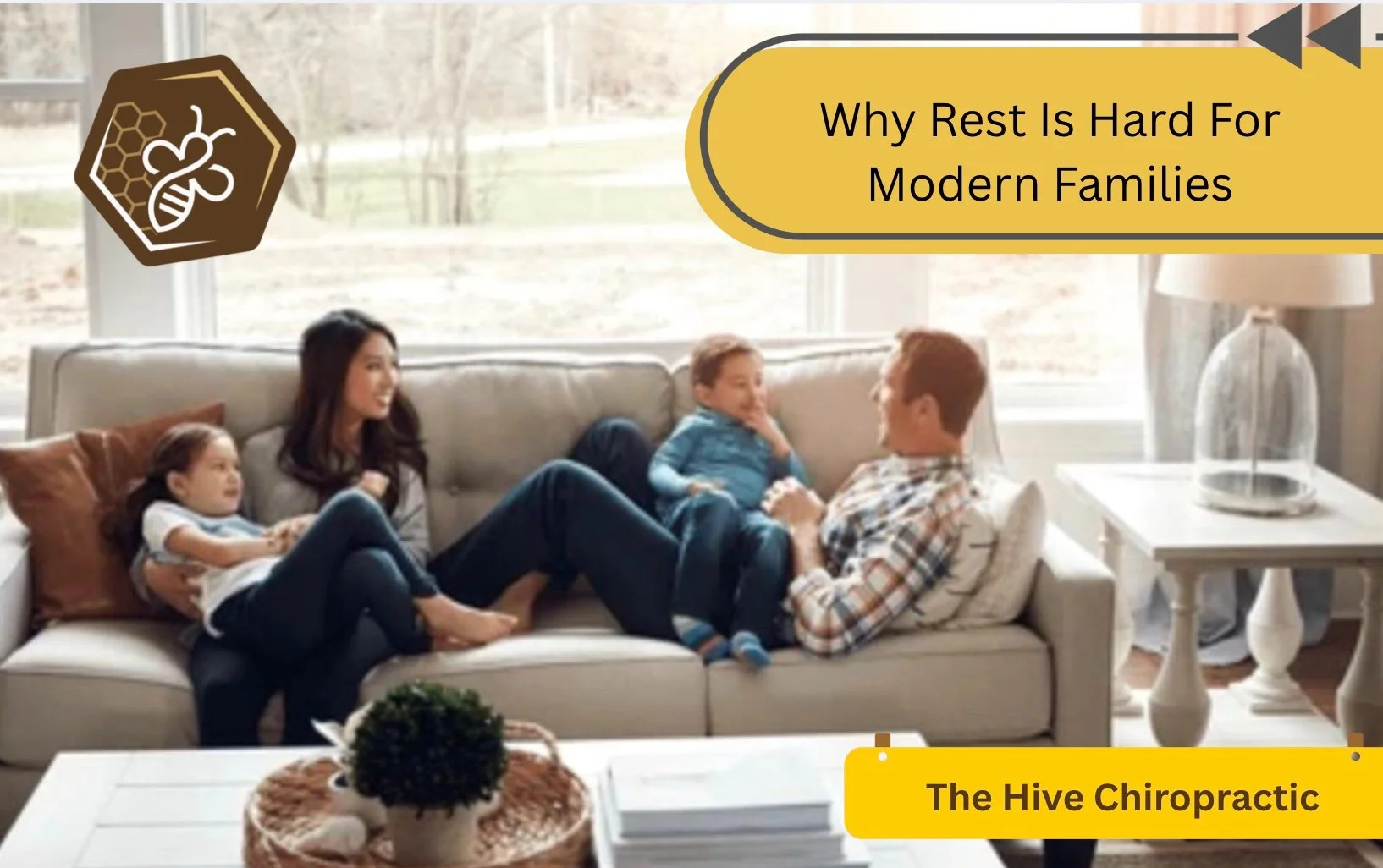
Why Rest Is Hard for Modern Families
Rest is not just about sleep. It is about nervous system safety and regulation.
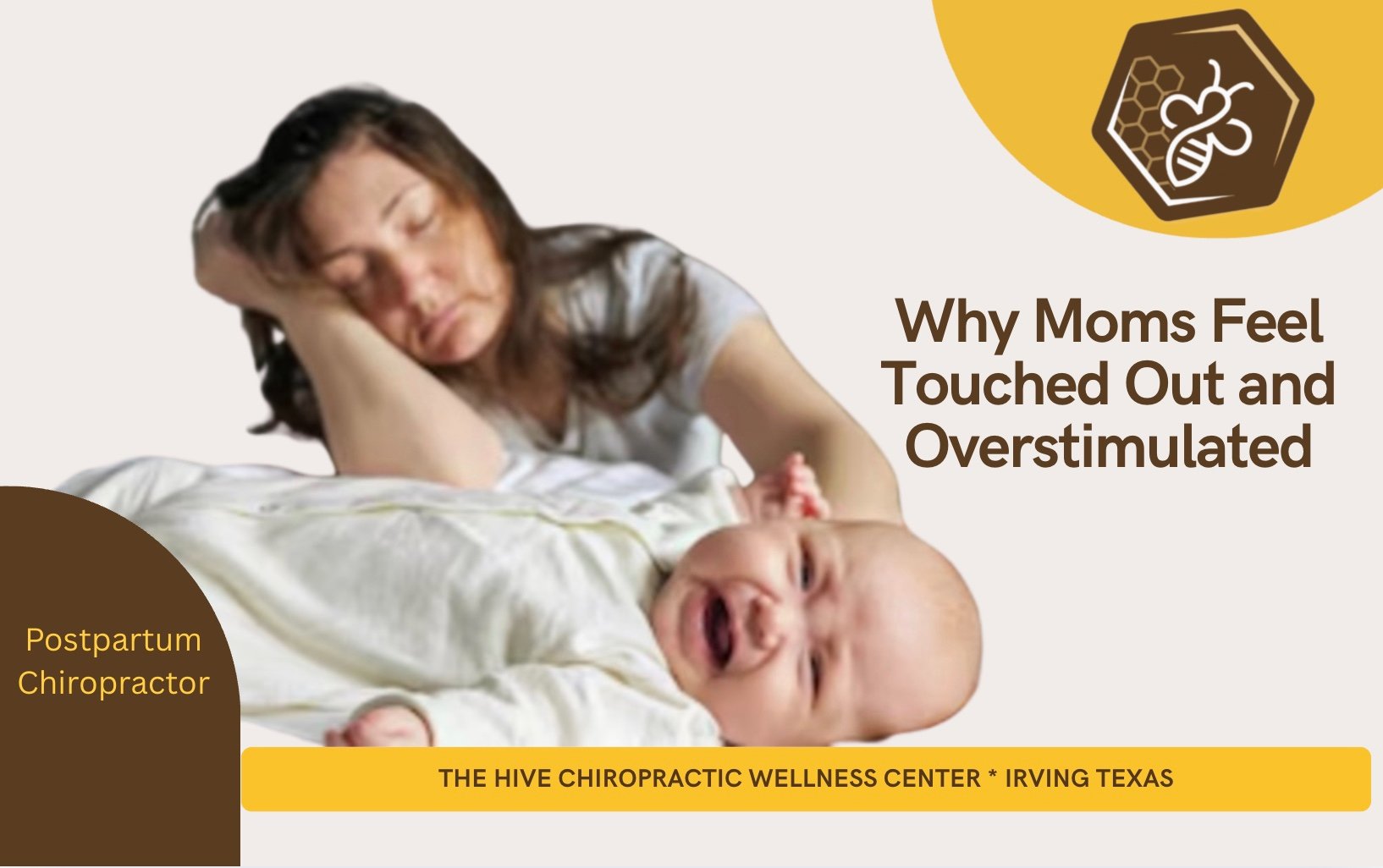
Why Moms Feel Touched Out and Overstimulated
Feeling touched out is not a failure. It is a sign of nervous system overload and deserves support.
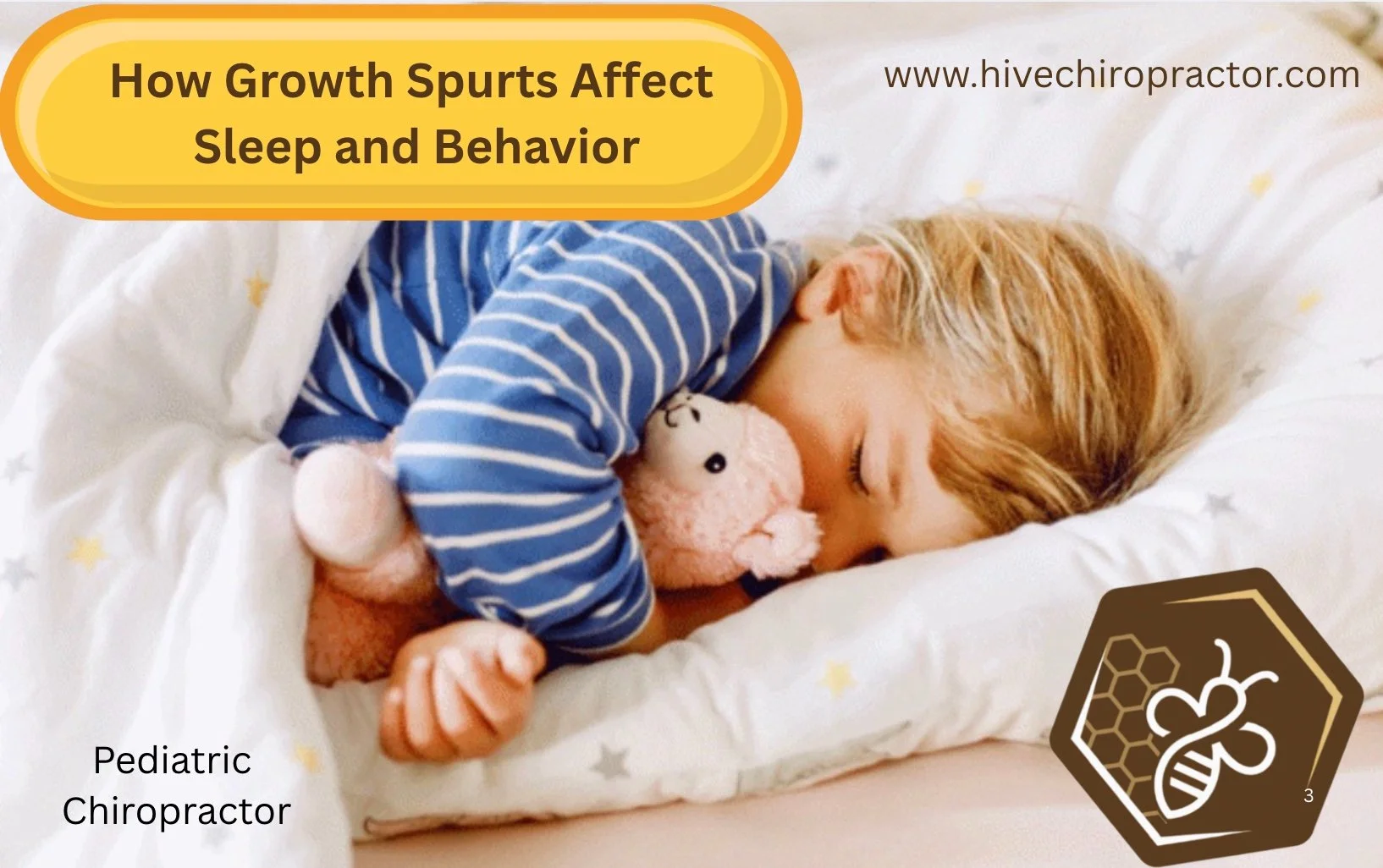
How Growth Spurts Affect Sleep and Behavior
Growth spurts challenge the nervous system. Sleep and behavior changes are common signs of adaptation.
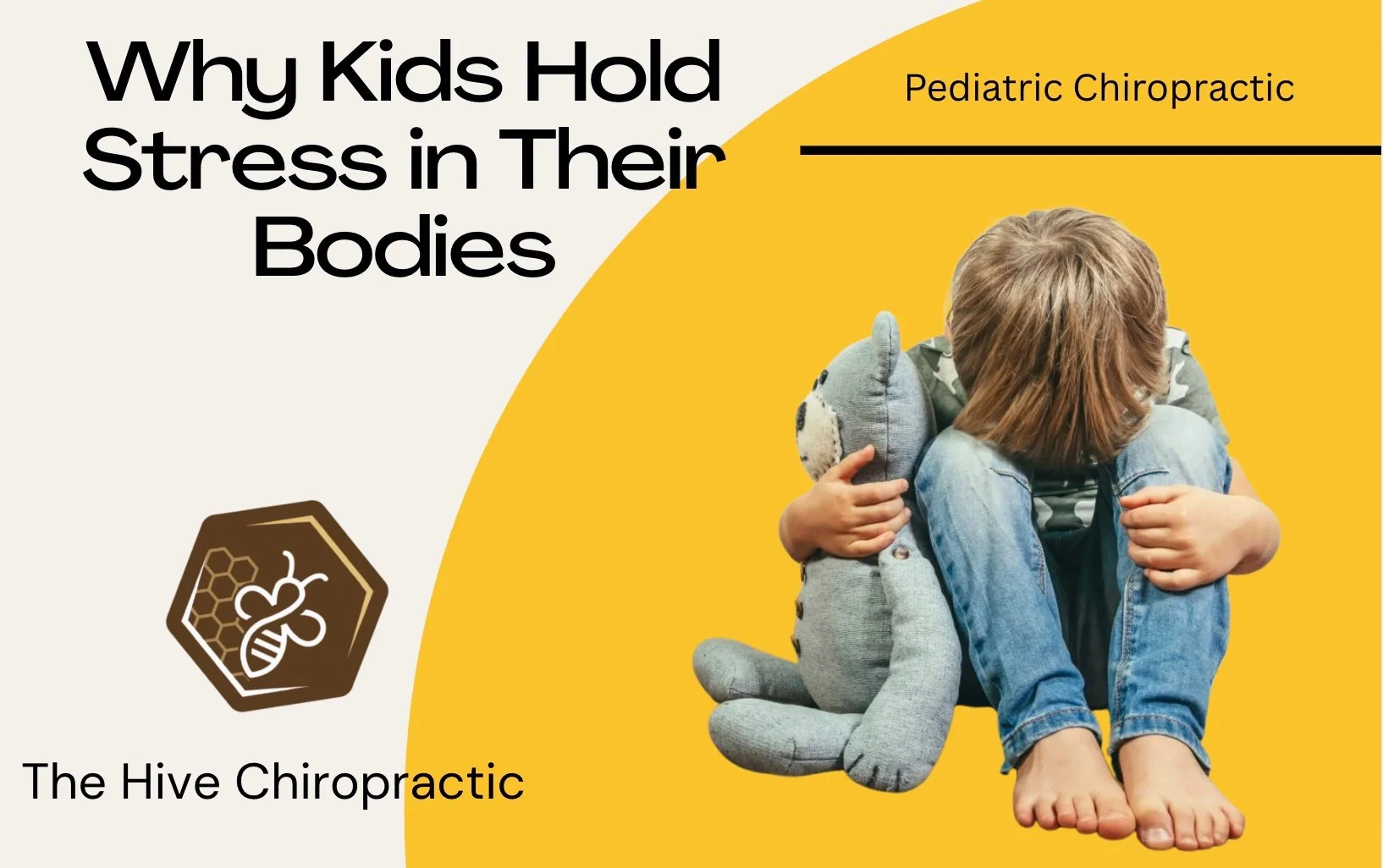
Why Kids Hold Stress in Their Bodies
Kids may not say they are stressed, but their bodies often show it. Support helps children regulate and adapt.
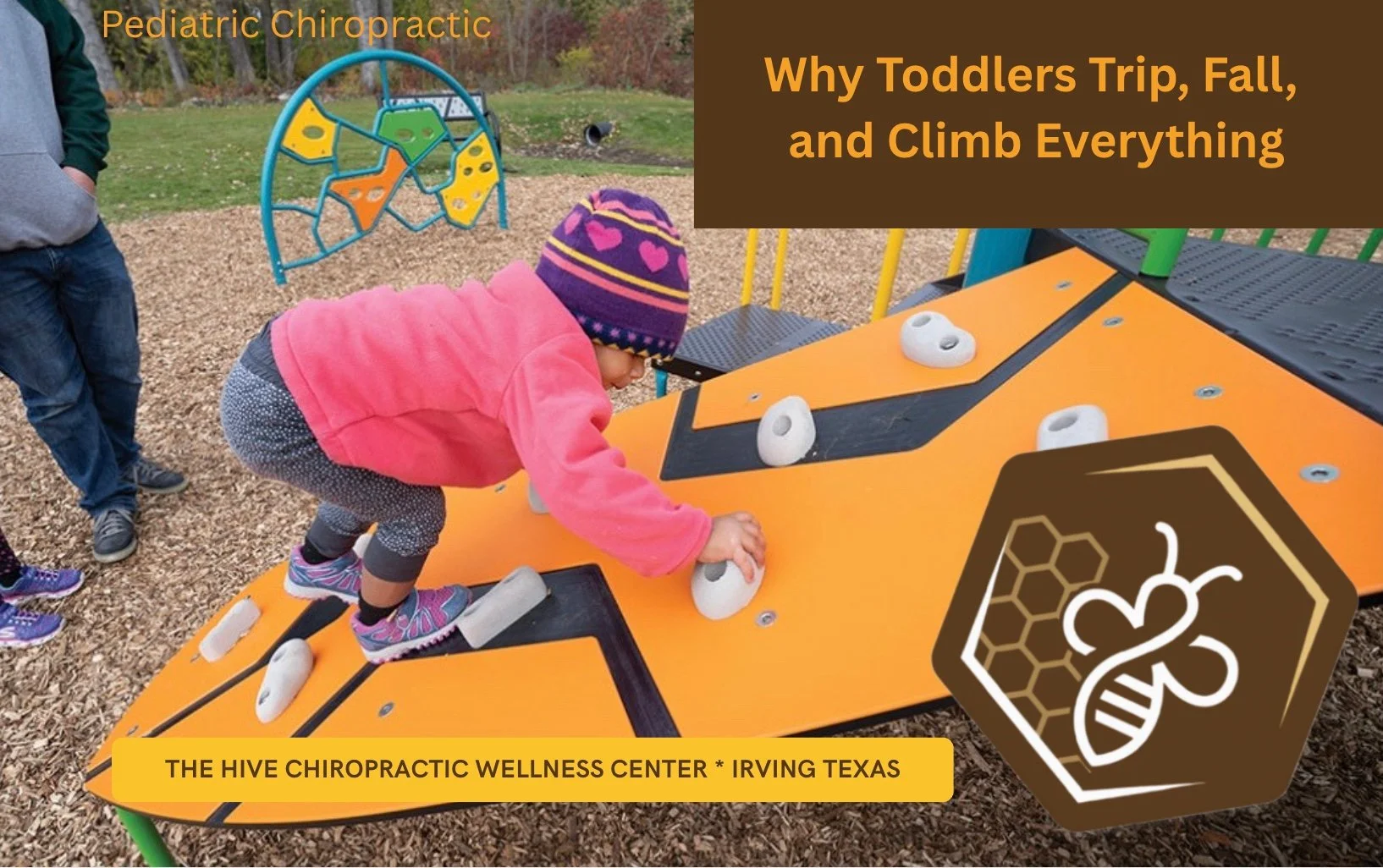
Why Toddlers Trip, Fall, and Climb Everything
Movement is how toddlers learn. Tripping, climbing, and exploring are signs of nervous system development in action.

What It Means When Your Baby Feels “Stiff” or “Floppy”
Babies communicate through movement. When something feels off, stiffness or floppiness may be early signals worth exploring.